
How to Care for and Clean Jewelry
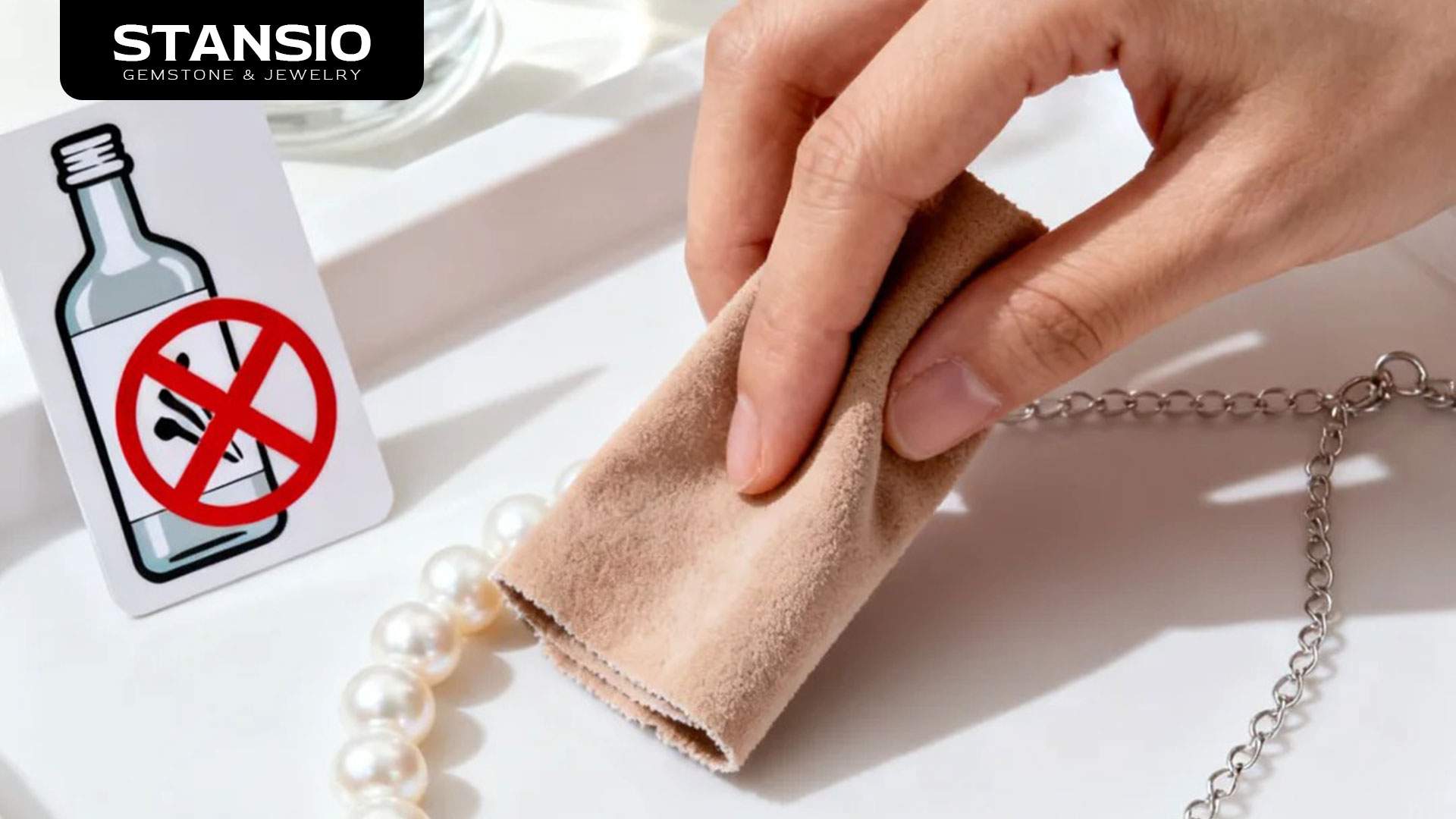
How to care for and clean jewelry correctly is the key to preserving your accessory’s shine, texture, and long-term value. Many fine jewelry pieces fade or tarnish prematurely due to incorrect daily handling and improper cleaning routines. This practical jewelry care guide is tailored exclusively for STANSIO handmade luxury jewelry. It covers reliable daily protection rules, material-specific cleaning methods, and style-based maintenance advice. Whether you wear gold, silver, pearl, gemstone, zircon, or crystal jewelry, this guide helps you safely clean and maintain rings, earrings, necklaces, and bracelets for long-lasting beauty.
Table of Contents
- 1. General Jewelry Care Rules | Daily Do’s and Don’ts
- 2. Material-Specific Jewelry Care & Cleaning Tips
- 3. Style-Specific Jewelry Maintenance Tips
- 4. Common Jewelry Cleaning Mistakes to Avoid
- 5. Frequently Asked Questions About Jewelry Care & Cleaning
- 6. Conclusion
1. General Jewelry Care Rules | Daily Do’s and Don’ts
All fine jewelry follows the same core maintenance principles, regardless of material or style. These daily habits form the foundation of long-lasting jewelry quality and avoid most common damage issues.
Do’s for Daily Jewelry Care
First, always put on your jewelry after finishing makeup, skincare, and hair routines. Cosmetic lotion, perfume, and hairspray leave invisible residues that gradually dull jewelry surfaces over time. Additionally, remove all jewelry before showering, swimming, exercising, or household cleaning tasks to avoid unnecessary damage. For proper storage, place individual pieces in a dry, soft-lined jewelry box to prevent scratches, tangles, and oxidation. Lastly, wipe your accessories with a soft microfiber cloth after each wear to remove surface oil, sweat, and dust.
Don’ts for Daily Jewelry Care
Primarily, keep all jewelry away from harsh chemicals such as bleach, detergent, alcohol, and hand sanitizer. Moreover, avoid wearing accessories in extremely hot or humid environments, as these conditions accelerate tarnish and material aging. For best protection, never stack hard and soft metal pieces together during storage to prevent irreversible surface scratches. Finally, avoid excessive pulling, twisting, or bending to protect delicate jewelry frames and chains.
2. Material-Specific Jewelry Care & Cleaning Tips
Different jewelry materials have unique physical and chemical properties, requiring targeted cleaning and maintenance methods. Below are professional care tips for the most popular jewelry materials, covering all core materials used in STANSIO’s collections.
2.1 How to Care for Gold Jewelry
Gold jewelry features a smooth, luxurious finish and strong oxidation resistance, yet it still accumulates dirt and loses luster after long-term wear. To clean gold jewelry safely, soak the piece in warm soapy water for 10 to 15 minutes, then gently scrub tiny gaps with a soft-bristled toothbrush. After cleaning, wipe dry with a clean microfiber cloth to restore its natural shine. Notably, avoid contact with mercury, chlorine, and acidic substances, which can permanently damage gold surfaces. For daily maintenance, store gold jewelry independently to prevent friction scratches, and perform simple cleaning every one to two months for frequently worn pieces.
2.2 How to Care for Silver Jewelry
Silver jewelry is prone to tarnish and black oxidation when exposed to air, sweat, and humidity, which is the most common issue for silver accessory lovers. For daily upkeep, wipe silver pieces with a professional silver polishing cloth to remove surface tarnish and oil. If heavy oxidation occurs, use mild silver cleaning solution for short soaking, then rinse with clean water and dry thoroughly. Furthermore, keep silver jewelry in sealed storage bags when not in use to isolate air and slow down oxidation. In addition, avoid wearing silver jewelry while sweating heavily or bathing, and clean it regularly to maintain its bright metallic texture.
2.3 How to Care for Pearl Jewelry
Pearl jewelry is the most delicate wearable accessory material, featuring natural organic texture that is sensitive to water, chemicals, and friction. Most importantly, never soak pearls in water or cleaning liquid, as moisture can penetrate the pearl layer, causing peeling, dullness, and mildew. Besides that, avoid contact with perfume, lotion, and sweat, which erode the pearl’s glossy surface over time. After each wear, clean pearl jewelry only with a dry soft cotton cloth. For safe storage, place pearls in a soft velvet box instead of hard metal boxes to prevent scratches. Ultimately, do not wear pearl jewelry for strenuous activities or daily cleaning work to protect its natural elegant luster.
2.4 How to Care for Gemstone, Diamond, Zircon & Crystal Jewelry
Inlaid gemstone, diamond, zircon, and crystal jewelry boasts brilliant light refraction, yet gaps between stones and metal settings easily trap dust, oil, and dirt, leading to dim sparkle. For regular home cleaning, soak the jewelry in warm mild soapy water for 20 minutes, then gently brush the stone gaps with a soft brush to remove hidden residues. Next, rinse with clean water and dry completely to avoid water spots. Meanwhile, avoid impact and dropping, as hard collisions may cause stone loosening or falling off. Additionally, do not expose these inlaid pieces to high temperatures, which can affect stone clarity and internal structure. Finally, check the tightness of inlaid settings regularly to ensure safe and long-term wear.
2.5 How to Care for Stainless Steel & Metal Jewelry
Stainless steel and alloy metal jewelry is durable, scratch-resistant, and not easy to fade, making it perfect for long-term daily wear. Its daily maintenance is extremely simple. First, wipe the metal surface with a damp soft cloth to remove dust and stains, then dry it thoroughly. Moreover, avoid long-term immersion in water or corrosive liquids to prevent surface coating damage. In addition, keep metal jewelry away from sharp hard objects to avoid accidental scratches. With these small habits, you can keep stainless steel and metal pieces smooth and glossy for a long time.
3. Style-Specific Jewelry Maintenance Tips
Different jewelry styles have unique structural designs, leading to different dust accumulation and wear characteristics. Targeted maintenance based on jewelry types can effectively extend service life and preserve styling texture.
3.1 Ring Maintenance (Stackable & Statement Rings)
Rings contact skin and sweat most frequently, and stackable ring gaps easily trap dead skin and oil. Therefore, take off rings before washing hands, bathing, and exercising. Then, clean gap dirt regularly with a soft brush and warm soapy water. To preserve surface texture, avoid excessive friction when stacking multiple rings to prevent surface scratches. For storage, place rings individually in small jewelry compartments to avoid extrusion deformation and stone collision.
3.2 Earring Maintenance (Hoop, Dangle, Drop & Ear Cuffs)
Earrings including hoop, dangle, drop, and ear cuffs have delicate structures and tiny gaps that easily accumulate dust and skin secretions. For hygiene purposes, wipe earring posts and contact surfaces frequently to keep them clean. Meanwhile, for long dangle and drop earrings, avoid pulling and twisting to prevent chain breakage or accessory loosening. Additionally, store earrings in pairs to avoid loss and tangling. Lastly, keep hollow and detailed earring structures dry to prevent mildew and oxidation.
3.3 Necklace Maintenance (Tennis, Lariat & Chain Necklaces)
Necklaces are prone to tangling, stretching, and surface dullness after long-term wear. Specifically, tennis necklaces with dense inlaid stones need regular gap cleaning to maintain sparkling texture. On the other hand, lariat and chain necklaces should be hung flat or stored independently to avoid knotting and chain deformation. Furthermore, avoid pulling necklace chains forcibly during wearing and removal. Also, keep necklaces away from clothing zippers and rough fabrics to prevent scratching and wear.
3.4 Bracelet Maintenance (Cuff, Bangle, Chain, Charm & Pearl Bracelets)
Bracelets contact external objects most frequently during daily activities, so they require careful protection. For instance, cuff and bangle bracelets are prone to surface scratches, so avoid collision with hard objects. Similarly, chain and charm bracelets easily tangle and accumulate dust, requiring regular combing and cleaning. In particular, pearl bracelets need strict waterproof and chemical protection. For leather and metal mixed charm bracelets, keep the leather part dry to prevent mildew and deformation, and maintain metal parts regularly to avoid oxidation.
4. Common Jewelry Cleaning Mistakes to Avoid
Many daily cleaning habits can silently damage fine jewelry, so it is vital to avoid these common mistakes. First, do not use toothpaste to clean jewelry, as it contains abrasive particles that scratch soft metal surfaces and faint stone textures. Second, do not use high-temperature boiling water or strong disinfectant to clean any jewelry, since high temperature and chemical irritation damage metal luster and stone stability. Third, do not wipe gemstone and pearl jewelry with rough paper towels, which leave tiny scratches. Furthermore, do not mix and store wet jewelry, as humid enclosed environments accelerate oxidation and mildew. Finally, avoid frequent use of professional strong cleaning solutions, which cause long-term wear to jewelry surfaces and inlaid structures.
5. Frequently Asked Questions About Jewelry Care & Cleaning
5.1 How do you clean handmade gemstone jewelry at home?
You can safely clean handmade gemstone jewelry with warm mild soapy water and a soft brush. Specifically, gently clean stone gaps and metal surfaces, then rinse and dry thoroughly. To protect your pieces, avoid harsh chemicals and high temperatures that may ruin gemstone clarity and metal finishes.
5.2 Can I wear silver jewelry every day?
Yes, you can wear fine silver jewelry daily. In fact, daily wearing helps reduce static oxidation. That said, you must remove it before bathing, swimming, and strenuous exercise. With regular wiping and sealed storage when not wearing, you can effectively prevent silver tarnish.
5.3 How to keep pearl jewelry shiny forever?
To maintain long-lasting pearl luster, keep pearls dry and chemical-free at all times. After each wear, wipe them with a dry soft cloth, then store in a velvet jewelry box. Additionally, avoid long-term light exposure and friction. Most importantly, never soak or wash pearls with water.
5.4 Is it safe to clean zircon and crystal jewelry at home?
Yes, home cleaning is safe for zircon and crystal jewelry. In general, warm soapy water and soft brushing are the most suitable methods. Meanwhile, avoid violent collision and high-temperature environments to prevent stone damage or loosened inlays.
6. Conclusion
Overall, professional jewelry care and cleaning are essential to preserve the beauty and value of your handmade accessories. Different metals, gemstones, and jewelry styles require targeted maintenance methods. Therefore, adhering to daily protection rules, avoiding wrong cleaning habits, and conducting regular gentle cleaning can keep your gold, silver, pearl, gemstone, zircon, and crystal jewelry bright and durable. Ultimately, with simple and scientific maintenance, your STANSIO handmade jewelry can maintain its timeless luxurious charm, accompanying you through various daily and formal styling scenarios.